How to Scrap a Car in Brisbane : 10 Things to Do Before Removal
Disposing of an old automobile is a sensible choice if the vehicle becomes unreliable and/or is very expensive to fix. Nevertheless, prior to hiring a wrecker to collect your car, there are a number of significant things that need to be done.
Properly preparing your car for disposal can simplify the process and prevent the loss of personal property as well as documents and other valuables that you wish to have saved. If you plan to dispose of your car using QLD Auto Parts, doing these things ahead of time may be helpful.
Here are 10 essential things to do prior to scrapping your car.
Confirm Ownership and Gather Your Documents
Before you get down to planning how to dispose of your car, ensure that you have all the information needed about its ownership. It will depend on your specific situation as to what kind of information you will need, whether it is documentation of the registration of the car, purchase or any other paperwork concerning it.
If you co-own, finance or sell the car for another person, make sure that there is no need for further approvals or documents. All of this will help you to facilitate the process of selling and disposing of your car.
Remove Everything From Inside the Car
Take time to search the entire vehicle before it leaves your property. Small items can easily be forgotten, particularly in older cars that have been used for several years.
Check the:
- Glove box
- Centre console
- Door pockets
- Under the seats
- Boot
- Spare-wheel compartment
- Storage areas
Look for sunglasses, chargers, paperwork, tools, parking permits, personal documents and other belongings. Once the car has been collected, retrieving something accidentally left inside may not be possible.
Check the VIN and Vehicle Details
Make sure that you have your vehicle’s VIN handy when making contact with your local car wrecker. This will help him to determine which vehicle you are referring to.
Provide the wrecker with information like the make, model, and year of the vehicle, as well as the VIN number and the current condition of the vehicle.
If the vehicle had been involved in any accidents or has mechanical issues, make sure that you also mention those when making your inquiry.
Check Your Registration and Number Plate Requirements
Registration and plate numbering rules vary from one state or territory to the next in Australia, so you must find out what your specific case involves.
There may be other actions such as cancellation of the registration or return of the plates that you will have to take into consideration based on your unique situation.
However, should you own personalised number plates and wish to keep them, you should look into the process prior to the collection of the car.
Do not make any assumptions since there is variation throughout Australia.
Call QLD Auto Parts on 04 3350 3503 to discuss your unwanted vehicle and the next steps.
Contact Your Insurance Provider
After making arrangements to dispose of the car, contact the insurance company to inform them of what has transpired.
In some cases, you may have to cancel or change your insurance coverage after the disposal or sale of the car. Get in touch with your insurance company to find out when to cancel the coverage and whether you qualify for a refund of unused premiums.
Check for Outstanding Finance
If you bought your vehicle on finance, you should make sure that there isn’t any money owed on it. There might be a financial interest in your car, which means that you will probably need your lender’s help in order to dispose of the car. It would be wise to sort this out before organizing the collection of your vehicle.
Take Photos Before the Car Is Removed
It only takes a few minutes to take pictures that will serve as an indication of the condition of the vehicle before it leaves your hands.
Take pictures of the exterior, interior, the odometer, any damage on the vehicle, and the VIN number if possible. If there are parts missing from the vehicle or it has damage, then make sure you take pictures of those areas too.
These pictures can be kept with all the other vehicle information.
Tell the Wrecker About the Vehicle’s Condition
Be honest and specific when describing your vehicle.
Let the wrecker know whether the car:
- Starts and runs
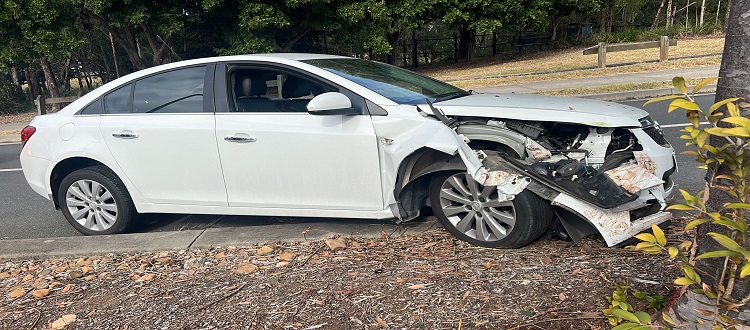
- Has accident damage
- Has engine or transmission problems
- Is missing components
- Has flood or fire damage
- Is registered or unregistered
- Can roll and steer
It is especially crucial to have the information when the car will not start. The collection service should know the situation in advance before collecting the car.
Provide information on where the car is kept and if there is anything that may hinder access, for example, the driveway being too narrow or underground parking.
Choose a Wrecker That Can Handle the Vehicle Responsibly
However, before you hand over your vehicle, think about what will happen to the vehicle once it has been collected.
A skilled car wrecker will take apart the car and determine whether there is any part of the vehicle that is still worth anything. For example, this might involve engines, transmissions, doors, panels, lighting, mirrors, wheels, interiors, and electrical parts.
Those materials that are not suitable for reuse can then be recycled or processed in other ways. In doing so, the vehicle is given a more purposeful final destination than being left to lie idle.
Complete a Final Check Before Collection
Before the vehicle leaves, take one final walk around it.
Make sure you have:
- Removed all personal belongings
- Collected important documents
- Checked the boot and glove box
- Retrieved any accessories you are keeping
- Recorded the VIN
- Taken photographs
- Checked registration requirements
- Dealt with number plates
- Removed toll tags and parking permits
- Confirmed the collection arrangements
This final check only takes a few minutes but can prevent problems later.
What Happens After a Car Is Scrapped?
The scrapping of a car does not automatically mean that the parts become waste. There are cars that can be tested and stripped, so as to extract their usable parts.
Depending on the car, there can be parts like engines, gearboxes, body work, lighting, mirrors and interior parts which still have some use. Other parts can be segregated for recycling or proper disposal.
This is a viable solution for people who want to dispose of a car that is no longer worthwhile keeping.