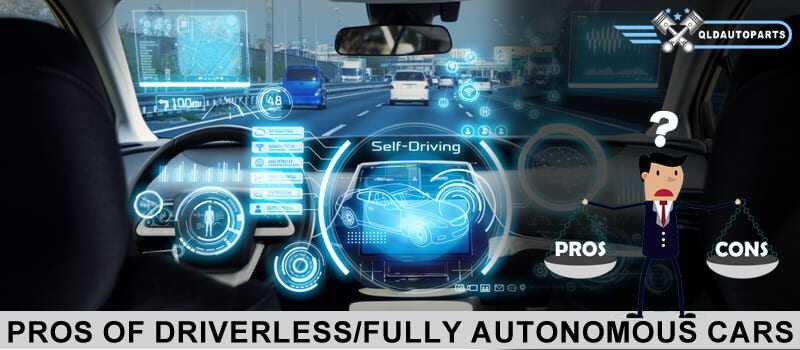
Pros and Cons of Driverless Cars – A Complete Guide
The idea of driverless cars, once considered science fiction, is now becoming a reality. With rapid advancements in technology, self-driving vehicles are being tested and introduced across different parts of the world. Companies like Tesla, Waymo, and Uber are heavily investing in autonomous vehicle technology, aiming to revolutionise the way we travel.
While driverless cars promise convenience and improved safety, they also raise important concerns. In this guide by Qld auto parts, we’ll explore the key pros and cons of driverless cars to help you understand their real-world impact.
What Are Driverless Cars?
Driverless cars, also known as autonomous or self-driving vehicles, are equipped with advanced technologies such as sensors, cameras, radar, and artificial intelligence. These systems allow the vehicle to navigate, detect obstacles, and make driving decisions without human intervention.
The goal is to reduce human error, which is one of the leading causes of road accidents worldwide.
Pros of Driverless Cars
1. Improved Road Safety
One of the biggest advantages of driverless cars is the potential to reduce accidents caused by human error. Factors like distracted driving, fatigue, and drunk driving can be eliminated with automated systems.
Self-driving vehicles use real-time data and advanced algorithms to react faster than humans, which can significantly improve road safety.
2. Increased Convenience
Driverless cars can make daily commuting easier and more comfortable. Instead of focusing on driving, passengers can relax, work, or enjoy entertainment during the journey.
This is especially beneficial for long-distance travel and busy urban traffic conditions.
3. Better Traffic Management
Autonomous vehicles can communicate with each other and traffic systems, helping to reduce congestion and improve traffic flow. Smart routing and real-time adjustments can lead to shorter travel times and less fuel consumption.
4. Accessibility for All
Driverless cars can provide mobility solutions for people who are unable to drive, including the elderly and individuals with disabilities.
This technology has the potential to improve independence and quality of life for many people.
5. Environmental Benefits
Self-driving cars are often designed to be more fuel-efficient, with smoother acceleration and braking patterns. Many are also integrated with electric vehicle technology, reducing emissions and environmental impact.
Cons of Driverless Cars
1. High Costs
The technology behind driverless cars is expensive. Advanced sensors, AI systems, and safety features significantly increase the cost of manufacturing and purchasing these vehicles.
This makes them less accessible for the average consumer, at least in the early stages.
2. Safety Concerns and System Failures
Although driverless cars aim to improve safety, they are not completely risk-free. Technical glitches, software errors, or system failures can still lead to accidents.
Real-world testing has shown that autonomous systems may struggle in complex or unpredictable environments.
3. Job Losses
The widespread adoption of driverless cars could impact jobs in industries such as transportation, delivery, and taxi services. Drivers may face job displacement as automation replaces manual driving roles.
4. Legal and Ethical Issues
Driverless cars raise complex legal questions. For example, who is responsible in case of an accident—the manufacturer, software developer, or owner?
There are also ethical dilemmas, such as how a vehicle should respond in unavoidable crash scenarios.
5. Cybersecurity Risks
Since autonomous vehicles rely on software and connectivity, they can be vulnerable to hacking and cyberattacks. Ensuring data security and system protection is a major challenge for manufacturers.
The Future of Driverless Cars
Despite the challenges, the future of driverless cars looks promising. Continuous advancements in artificial intelligence and machine learning are improving the reliability and safety of autonomous systems.
Governments and regulatory bodies are also working on policies to support the safe integration of self-driving vehicles on public roads. As technology evolves, driverless cars are expected to become more affordable and widely accepted.
Final Thoughts
Driverless cars represent a major step forward in automotive innovation. They offer numerous benefits, including improved safety, convenience, and accessibility. However, challenges such as cost, safety concerns, and legal issues must be addressed before widespread adoption becomes a reality.
Understanding the pros and cons of driverless cars is essential for making informed decisions about the future of transportation. As technology continues to develop, these vehicles could transform the way we travel and interact with our environment.